

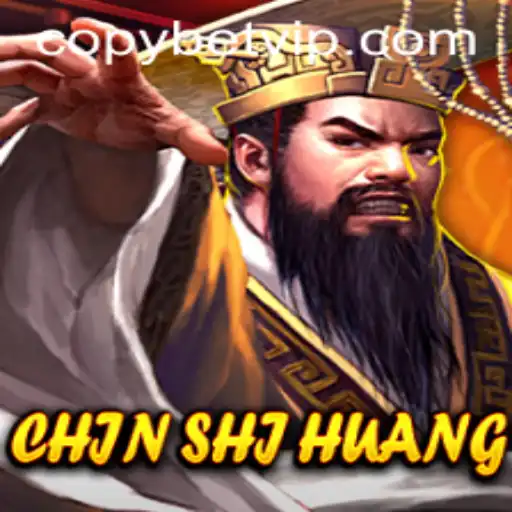

Dive into the captivating world of ChinShiHuang, a strategic game that blends historical intrigue with modern gaming mechanics. Learn about its intricacies, rules, and unique features.
ChinShiHuang: A Journey Through Strategic Mastery
In the ever-evolving realm of board games, ChinShiHuang emerges as a captivating addition that offers players a deep dive into the strategic brilliance reminiscent of ancient Chinese empires. Combining historical themes with modern mechanics, this game invites players to engage in a world where strategy and foresight are paramount.
Introduction to ChinShiHuang
ChinShiHuang is inspired by the legendary first Emperor of China, Qin Shi Huang, known for his unification of China and the creation of the Great Wall. The game melds historical elements with engaging gameplay, allowing players to step into the shoes of this legendary figure. As players navigate through various challenges, they must employ strategies that echo the tactical brilliance of ancient leaders.
The game is designed for 2 to 4 players, with each session lasting around 90 to 120 minutes. Its combination of luck, strategy, and player interaction provides an engrossing experience that keeps participants on the edge of their seats. Players are tasked with building their own empires, facing challenges, and making decisions that could alter the course of their path to victory.
Game Setup and Components
Before diving into the rules, it's crucial to understand the setup and components that come with ChinShiHuang. The game includes a beautifully illustrated board depicting ancient China, complete with regions to conquer and resources to gather. Each player begins with a set of pieces representing armies, resources, and territories. Additionally, the game features a deck of event cards that introduce historical events and challenges, adding layers of unpredictability.
Setting up the game involves distributing initial resources and territories among players, ensuring a balanced start. As the game unfolds, players will expand their influence across the board, encountering both friend and foe in their quest for dominance.
Unveiling the Core Rules
The mechanics of ChinShiHuang are both simple to grasp yet intricate enough to demand thoughtful planning. The rules are designed to encourage a diverse range of strategies, ensuring no two games are the same. Below are some of the core rules that guide players through their conquest:
1. Turn Structure
Each game round is divided into a series of phases, including Resource Collection, Movement, and Battle. Players first gather resources based on their territories' productivity, which they can later use to bolster their armies or fortify their defenses. Movement allows armies to traverse the board, potentially capturing unclaimed territories or challenging opponents. Finally, the Battle phase enables players to engage in direct combat, where strategic placement and resource allocation are critical.
2. Resource Management
Resources in ChinShiHuang are the lifeblood of any successful empire. Players must carefully manage their resources, balancing immediate needs against long-term plans. Investments in infrastructure can lead to increased production, while spending resources on warfare can yield territorial gains.
3. Event Cards and Historical Challenges
The inclusion of event cards introduces dynamic elements that reflect historical events from ancient China. These cards can provide bonuses, introduce challenges, or shift the balance of power among players. Adapting to these events is crucial, as they can dramatically alter the game's trajectory.
4. Strategic Combat
Combat is a central aspect of ChinShiHuang, requiring both tactical placement and resource expenditure. Players must consider various factors, including unit strength, terrain advantages, and support from allies. Engaging in combat is a high-stakes endeavor, offering potentially significant rewards for those who emerge victorious.
Exploring Unique Features
Among the compelling aspects of ChinShiHuang is its ability to seamlessly blend historical themes with modern gaming dynamics. This is particularly evident in its emphasis on diplomacy, alliances, and betrayal. Players are encouraged to forge alliances, negotiate trade deals, and sometimes betray allies for greater gains. These interactions contribute to a rich, multifaceted experience that reflects the complex nature of real-world governance and military strategy.
The game also incorporates the concept of "copybet," a unique mechanic allowing players to mimic or counter other players' strategies under certain conditions. This ensures that games remain unpredictable and players stay engaged, always anticipating the moves of their opponents.
Relevance to Current Events
The strategic elements and decision-making processes in ChinShiHuang find relevance in today's world, where leaders must navigate complex political landscapes, adapt to sudden changes, and make strategic choices. As nations continue to adapt to evolving geopolitical challenges, the lessons from ChinShiHuang resonate with broader societal themes of unity, growth, and survival.
Furthermore, the game provides a lens through which players can explore ancient history's impact on contemporary societies. By immersing themselves in the world of Qin Shi Huang, players not only gain entertainment but also insights into the cultural and historical forces that shaped civilizations.
Conclusion
ChinShiHuang stands out as a game that beautifully intertwines history, strategy, and player interaction. Its well-balanced mechanics and emphasis on strategic diversity make it a must-try for enthusiasts of strategic board games. Whether building alliances or waging wars, players are sure to find themselves captivated by the intricate world of ChinShiHuang. As the game unfolds, each decision made echoes the brilliance of the past, inviting players to write their own chapters in the annals of history.